
What Makes the Best Vintage Vacuum Cleaner Worth Keeping
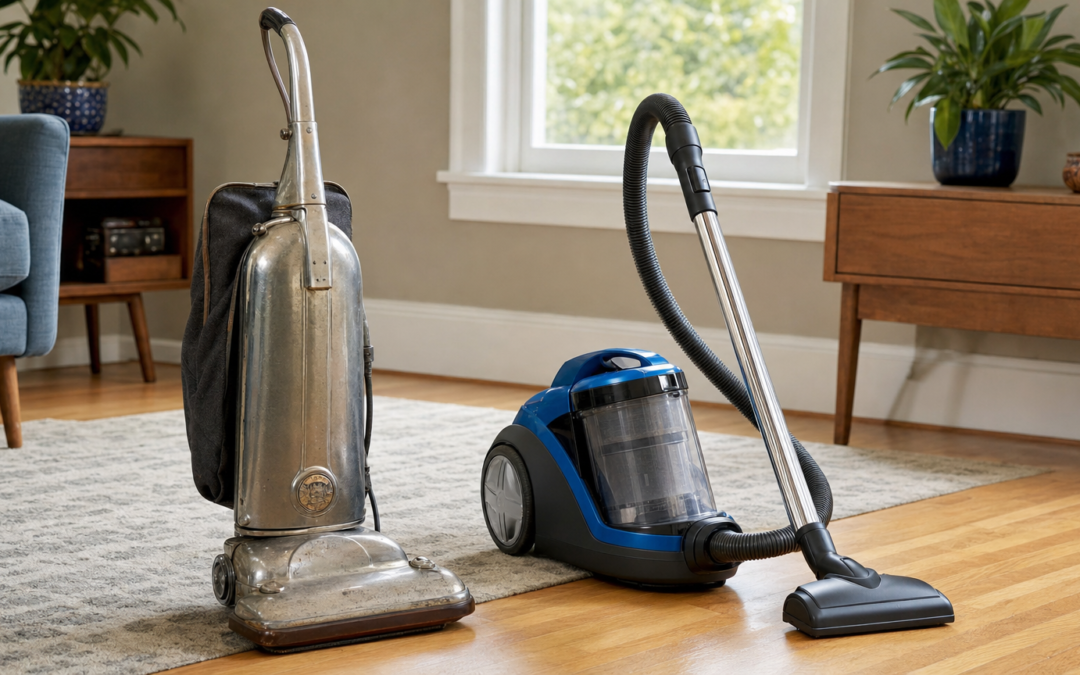
There isn't one best vintage vacuum cleaner — there's a best vintage vacuum cleaner for the machine you actually have in front of you, and the answer depends on three things: how it was built, what condition it's in now, and whether parts still exist for it. Mr. Vacuum, which serves the Bradley, IL area, evaluates vintage machines exactly this way: condition and parts availability decide the outcome, not the age printed on the nameplate. A vintage vacuum built with a metal housing and a replaceable belt-and-brush system is generally a better long-term bet than one with brittle plastic components, because metal bodies tend to survive decades of storage and moving without cracking. But build quality alone doesn't make a machine worth keeping if the motor has seized or the wiring has degraded.
Before assuming an old vacuum is a lost cause, it's worth having someone who repairs vacuums for a living actually look at it. A machine that looks rough on the outside can still have a sound motor, and a machine that looks fine can have an internal problem that isn't obvious until it's plugged in.
Age by itself tells you very little. A vacuum from the 1960s that was a mid-tier model when new, and that has sat unused and unserviced in a basement or garage since, has usually lost more than it's gained. Rubber gaskets dry out, lubricant in the motor bearings separates, and cords become brittle whether or not the machine ever ran poorly to begin with. The vacuums that hold up are the ones that were well-built from the start and that someone kept maintained, even occasionally, rather than stored and forgotten.
There's also a practical test that tells you more than any visual inspection: plug it in and listen. A motor that hums evenly and spins up without hesitation is a different proposition from one that strains, clicks, or smells hot within a few seconds. Smell is actually one of the more reliable early warning signs — a faint burning odor from the motor housing usually means the brushes or bearings are wearing out, and that's worth knowing before you decide whether a repair is worth pursuing.
Common Vintage Vacuum Brands You'll Run Into
If you're trying to identify what you have, a few manufacturer names come up again and again in the vintage vacuum world: Kirby, Hoover, Electrolux, and Filter Queen are among the most commonly encountered older brands, largely because they were sold in large numbers and built to be serviced rather than replaced. This is general background on the category, not a claim about which of these brands this business currently repairs or stocks parts for — that depends on the specific model and its age.
Filter Queen is worth a separate mention only because it's still an active product line today, and Mr. Vacuum is an authorized Filter Queen dealer for the Cedar Lake Indiana vacuum sales and repair service area. If you have an older Filter Queen unit, that's one case where identifying the brand can genuinely help, since current parts and service support may still exist for it, where it might not for a brand that stopped manufacturing decades ago.
Knowing the brand name on a vintage machine is a useful first step, but it doesn't settle the repair-or-retire question on its own. Two vacuums from the same manufacturer, made a decade apart, can use completely different motors, belts, and bag systems. The model number and the physical condition of the unit matter more than the badge on the front. If the manufacturer's badge has worn off or the model number is illegible, a repair shop can often still identify the generation of a machine by its motor housing shape, cord style, or bag attachment — details that aren't obvious to someone outside the trade but that make the difference between a quick parts order and a dead end.
Are Vintage Vacuums Worth Anything?
Value depends entirely on the individual machine — its condition, completeness, and whether it still runs — rather than on age by itself. An old vacuum isn't automatically valuable just because it's old, and it isn't automatically junk just because it's old either. Some vintage machines are genuinely well-built and, with a cleaned motor, new belt, and fresh bag or filter, will outperform a cheap new vacuum on carpet pile and suction consistency. Others were mid-tier machines when new and haven't gained anything by sitting in a closet for thirty years.
The only way to know which category yours falls into is to have it inspected and, if it still runs, tested under load. That's a different question from collector value, which depends on rarity and original packaging — something a repair shop isn't positioned to assess, but a vacuum's working condition is.
It's also worth separating two different kinds of "worth." A collector might pay for a rare model in original condition regardless of whether it actually cleans well. A homeowner deciding whether to keep using a vintage vacuum cares about something else entirely: does it still pick up dirt, does it run quietly and safely, and will parts be available the next time something wears out. For most readers asking this question, that second kind of worth is the one that matters.
There's a middle category worth mentioning too: vacuums that run fine but no longer meet basic safety expectations. A frayed cord, a cracked plug, or a housing that's been taped together isn't something to keep using just because the motor still spins. That's a safety call, not a performance one, and it's usually an easy fix once identified.
Repair, Rebuild, or Retire: Making the Call
A vintage vacuum is usually worth repairing when the problem is mechanical and common — a worn belt, a clogged hose, a tired motor brush, a cracked power cord — because those are parts a repair shop deals with routinely, and the labor to replace them is modest relative to what a comparable new vacuum costs. Getting an estimate before committing to a repair is the only reliable way to know what a fix actually costs rather than guessing.
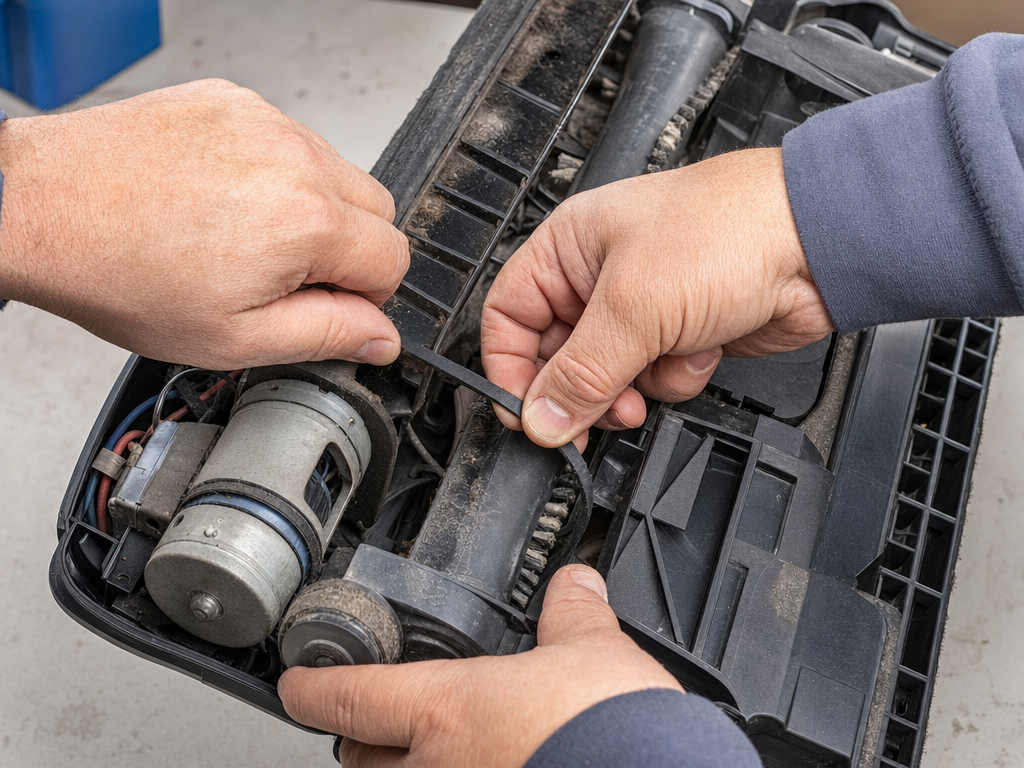
A vintage vacuum is usually not worth repairing when the motor itself has failed, when the housing is cracked in a structural spot, or when replacement parts for that specific model are no longer manufactured. In those cases the honest answer from someone who repairs vacuums for a living is to retire the machine rather than sink money into a rebuild that won't hold up. Mr. Vacuum's service and repair page is the place to start that conversation, since an in-person look tells you more than guessing from a description.
A practical way to think about it: find out what a fix would cost before you decide anything. A simple belt or cord replacement might run a fraction of what a new vacuum costs, which makes the repair an easy call. A motor rebuild, if it's even possible on that model, is a different calculation, and that's exactly the kind of judgment call worth getting from someone who can open the machine up rather than guess from a description alone.
It also helps to think about how the machine will be used going forward. A vintage canister vacuum that only needs to handle light touch-ups in a small apartment is a different repair decision than one that's expected to do daily deep cleaning on wall-to-wall carpet in a busy household. The same worn belt might be worth replacing in one case and not worth the trouble in the other, simply because of how hard the machine will be worked afterward.
When a New Vacuum Makes More Sense Than Restoring an Old One
If a vintage machine turns out to be past the point of a reasonable repair, or if you simply want something that performs better on today's flooring without the upkeep an old motor needs, it's worth looking at current models rather than assuming restoration is the only path. Mr. Vacuum carries vacuum models that have been named a top pick by The New York Times' Wirecutter, so there's a clear modern alternative if the vintage unit isn't salvageable.
For households that want the durability reputation vintage machines are known for, but in a current, serviceable product, lines like Riccar, Lindhaus, and the Miele Complete C3 Homecare are built on the same philosophy older manufacturers used — metal construction, repairable parts, long service life — without the parts-sourcing problem a true vintage machine eventually runs into.
This isn't an argument that every old vacuum should be replaced. Plenty of vintage machines are worth keeping precisely because they were built the same way: simply, with parts meant to be swapped rather than thrown away. The point is that when a specific vintage unit genuinely can't be repaired, the right comparison isn't a disposable big-box vacuum — it's a current machine built with the same repair-first philosophy, so the household doesn't trade one problem for another in a few years.
Getting Your Vintage Vacuum Looked At
If you're in the Bradley, IL area and trying to decide whether an old vacuum is worth repairing, retiring, or replacing, the clearest path is to have it assessed by someone who repairs vacuums for a living rather than guess from how it looks or sounds.
Before you reach out, it helps to have a few details ready: whether the vacuum still powers on, whether it loses suction, whether it makes an unusual noise, and roughly how old it is if you know the history. Those details make it easier to tell whether you're looking at a straightforward fix or a machine that's reached the end of its practical life.
Questions and answers
What is the best old vacuum cleaner?
There isn't a single best old vacuum cleaner across the board — it depends on the condition of the specific unit, whether parts for that model are still available, and whether the motor still runs reliably. A well-maintained older machine with a metal body and replaceable parts can outlast a cheap new vacuum, but condition matters more than brand name.
What is the best vacuum cleaner of all time?
This gets debated among collectors and reviewers, and there's no single agreed-upon answer, since it depends on the criteria used — durability, suction, repairability, or historical significance. Rather than chase that title, it's more useful to ask whether a specific vacuum, vintage or new, fits your home and your floors.
What are some vintage vacuum cleaner brands?
Brands commonly seen in vintage vacuums include Kirby, Hoover, Electrolux, and Filter Queen, among others. Filter Queen is notable because it's still an active product line today — Mr. Vacuum is an authorized Filter Queen dealer for the Cedar Lake Indiana service area, so parts and service support may still exist for older Filter Queen units specifically.
Are vintage vacuums worth anything?
It depends on the individual machine's condition and completeness, not just its age. A vintage vacuum that still runs well and has intact parts can have real practical value as a working appliance; whether it has collector value is a separate question that depends on rarity, which a repair shop isn't the right resource to assess.
If you are considering options for an older vacuum, contact Mr. Vacuum to discuss your model before deciding what to do next.