
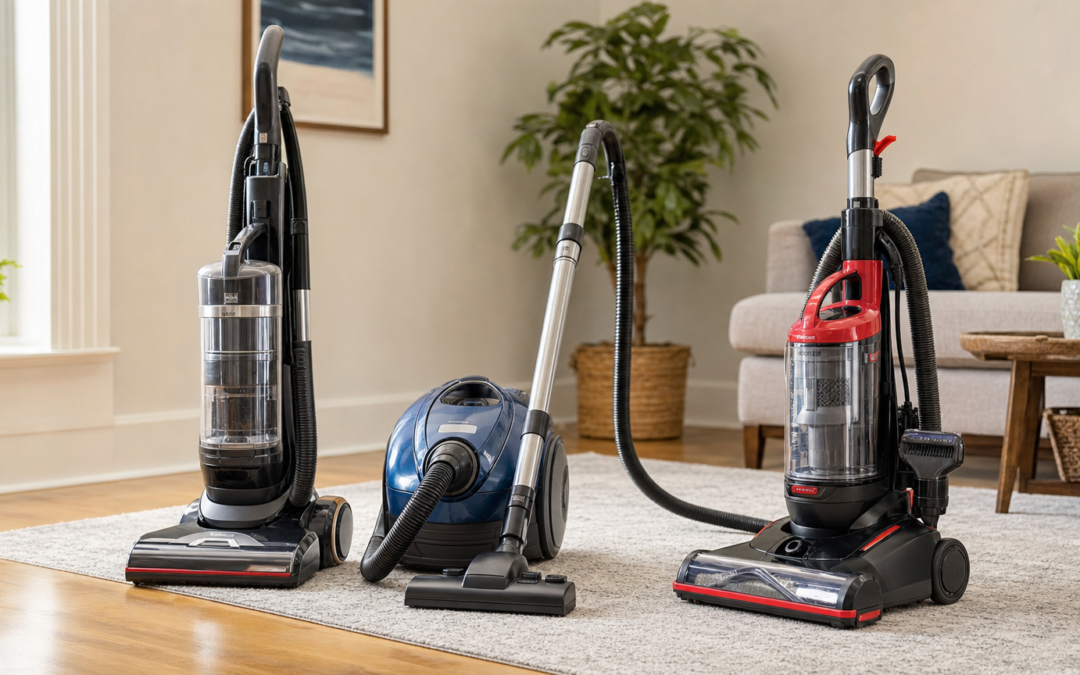
What Is the Highest Rated Vacuum on the Market?
There isn't one single answer, because different publications rate vacuums on different criteria — suction performance, filtration, durability, or value. A vacuum that tops a suction test can rank lower on a filtration-focused list, and a machine built for carpet can underperform on hardwood even if it's labeled 'best overall' somewhere else. 'Highest rated' depends entirely on what the rating is measuring, and the best vacuum for a lab test isn't always the best vacuum for your house.
That's the honest answer before the specifics: a rating tells you how a vacuum performed under certain test conditions, often in a controlled setting with a single floor type and a fixed amount of test debris. Your floors, your pets, and your allergies are the conditions that actually matter when you're choosing one, and no single published list can account for all of them at once. That's also why two 'best vacuum' articles can rank different brands in the top spot without either one being wrong — they're simply measuring different things, weighted differently.
Independent review teams typically test things like airflow and suction power, filtration efficiency, noise levels, ease of maneuvering, and how a vacuum performs across different floor types side by side. Some publications also factor in price, how easy a machine is to empty and maintain, and reliability data gathered over months of use. How much weight each of those categories gets is a judgment call made by whoever is running the test, and that judgment call is exactly what produces different winners on different lists.
It's also worth knowing that some of these rankings come from retail-facing review roundups rather than independent lab testing, and the methodology isn't always published in full. A rating that doesn't explain how it tested noise, filtration, or long-term reliability is harder to act on than one that does. Reading the methodology, when it's available, usually tells you more than the ranking number itself.
That gap between a lab result and a lived-in home is exactly why we'd rather walk through what each brand we carry is actually built for than point you at a single external ranking and call it settled.
SEBO's Recognition and What It Means
Treat a published rating as a result for the model and test conditions described, rather than an endorsement of every vacuum bearing the same brand. Check the report date, the exact model number and which household needs the test addresses. This article does not name a current review winner or claim an award for a particular brand.
In practice, that means a SEBO is the kind of machine you'd expect to perform close to the same after years of regular use as it did when it was new, assuming it's kept up with routine maintenance. That's a different quality than winning a single suction test and then losing performance as filters clog or belts wear over time. If reliability over years of regular use is what you're actually shopping for, that's the strength most relevant to this line — and it's part of why we carry it.
A rating earned at the point of purchase and a vacuum that still performs the same way three or four years later are two different things, and a review conducted over a few weeks in a lab can really only speak to the first one. Long-term durability tends to show up in how a brand is talked about over time, in repeat customers and in repair histories, more than in any single published test.
Miele and HEPA Filtration: Why It Shows Up in Reviews
Filtration is one of the most commonly tested categories in vacuum reviews, and it's a real differentiator — not just a spec sheet line. Miele vacuums use HEPA filtration, a recognized filtration standard built to capture very fine particles that pass straight through many ordinary vacuum filters. It's one of the reasons filtration-focused reviews so often favor HEPA-equipped machines.
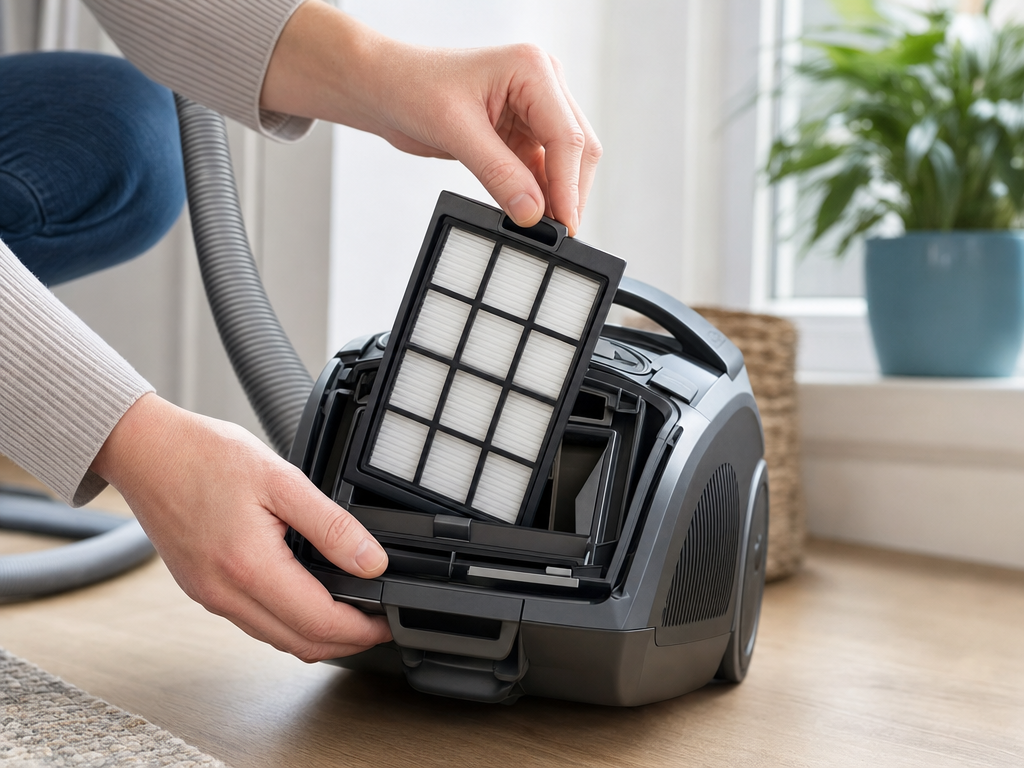
To put that in plain terms: HEPA-rated filtration is tested against particles measured in fractions of a micron — smaller than what's visible to the eye, and smaller than what most standard vacuum bags or filters are designed to stop. A vacuum with strong suction but a weak filter and a poor seal around the dust compartment can still push some of that fine material back out into the air it's supposed to be removing. Filtration and suction are two separate jobs, and a rating that only tests one of them is only telling you half the story.
If allergies, asthma, or fine household dust are part of why you're shopping for a 'highest rated' vacuum, filtration performance like this is usually the specific thing driving that rating — more than overall suction power, and more than how loud or quiet the motor sounds. A vacuum can move a lot of air and still send fine particulate back into the room if its filtration and seal aren't doing their job; that's the gap HEPA filtration is designed to close. You can see how Miele applies this in the Miele Complete C3 HomeCare.
For someone comparing filtration specs across brands, the practical question to ask a retailer isn't just 'is it HEPA,' but whether the filter is a sealed system or just a filter sitting loose in an otherwise leaky housing. A HEPA filter only does its job fully if the rest of the vacuum is built to force air through it rather than around it.
Riccar's Tandem Air Premium Pet: Built for a Specific Problem
For a concrete manufacturer example, Riccar’s Tandem Air Premium Pet product page lists a multi-stage filtration system, including HEPA media and a granulated charcoal filter. Those are specifications for that particular model, rather than evidence that every vacuum from the brand has the same features or deserves the same review score. Check the exact model’s published information when comparing filtration features for your household.
Consider the difference in practice. A general-purpose roundup usually runs its suction test on a bare patch of test carpet with a measured amount of sand or flour — useful for comparing raw pickup power, but nothing like a living room with a shedding dog. Odor isn't something a suction test measures at all, and neither is how well a vacuum handles the texture of matted pet hair without clogging the brush roll. A model built specifically around those problems, rather than general debris pickup, is a more relevant comparison for that household.
This is a good example of why the highest rated vacuum for a lab test and the highest rated vacuum for your actual household aren't always the same machine. A test bench doesn't have a dog shedding on the carpet every week, and most general rankings aren't built around that specific, recurring problem. If that's your situation, a model engineered around pet hair and odor specifically is a more useful comparison point than a general-purpose 'best of' list. You can see the full lineup on our Riccar page.
How to Judge 'Highest Rated' for Your Own Home
A few practical questions cut through most rating-list confusion:
What's the rating actually measuring? Suction, filtration, noise, and durability are tested differently, and a vacuum can lead in one category while being average in another. Reading past the headline number to see what was actually tested is worth the extra minute.
Does your home have pets, allergies, or both? Filtration quality and odor control matter far more here than raw suction numbers, and a vacuum rated highly for suction alone may not address either problem well.
What floor types are you cleaning? Carpet, hardwood, and mixed flooring each reward different vacuum designs — brush roll type, suction settings, and attachment design all change depending on what's underfoot — regardless of where a model lands on a general 'best of' list. A household with mostly hardwood and a few area rugs is looking for something different than one with wall-to-wall carpet throughout.
How long do you expect it to last? A rating based on a single test run doesn't tell you much about how a vacuum performs after a year of regular use, belts that stretch, filters that need changing, or seals that wear. That's often where real differences between brands show up, long after the initial review was published.
How easy is it to maintain? A highly rated vacuum that's difficult to service, or that uses hard-to-find filters and bags, can end up costing more time and money over its life than a slightly lower-rated model that's simple to keep running. Availability of repair parts and service matters as much as the initial rating, especially several years into ownership.
As an example of how these questions change the answer: a household with no pets and mostly hard flooring might get more practical value out of a lighter canister vacuum with strong filtration than out of whatever currently tops a general suction ranking. A household with shedding pets and wall-to-wall carpet is solving a different problem, and the 'best' machine for them looks different again. The rating itself doesn't change — what changes is which rating actually applies to the floors and the life in that particular house.
It's also worth asking who's doing the cleaning day to day. A heavier upright with strong suction is a different proposition for someone managing stairs or a smaller frame than it is for someone cleaning a single-level home. A rating doesn't account for who's pushing the vacuum, but it's a real factor in which machine actually gets used regularly rather than left in a closet.
Where to Go for a Full Comparison
We've put together a more detailed look at vacuum options, filtration types, and what to weigh before buying in our vacuum buying guide. If you've already narrowed things down to a specific brand or model and want to talk through fit for your home — floor types, allergy concerns, pets — reaching out directly is the fastest way to get a straight answer rather than piecing one together from multiple review sites.
Questions and answers
What is the #1 vacuum?
There is no single model that this article can substantiate as a universal winner. Read a current test report for its exact model and criteria, then compare those criteria with your floors, the tools you need and the handling you find comfortable. A result from one test does not establish that every model from the brand suits every household.
What is the best vacuum according to Consumer Reports?
This article does not quote a current Consumer Reports ranking. Check the dated report itself and the exact model it tested rather than rely on a paraphrased brand-wide recommendation. Use the reported criteria alongside your own cleaning needs.
Which vacuum cleaner brand is considered the best?
Compare particular models for your household rather than treat a brand name as a complete recommendation. Consider floor type, the tools you need, handling, published filtration information and the maintenance instructions. Decide which criteria matter to you before using a review score to narrow your options.
If you want help matching a highly rated vacuum to your own home's floors, pets, or allergy concerns, contact Mr. Vacuum and we can talk through the options.