
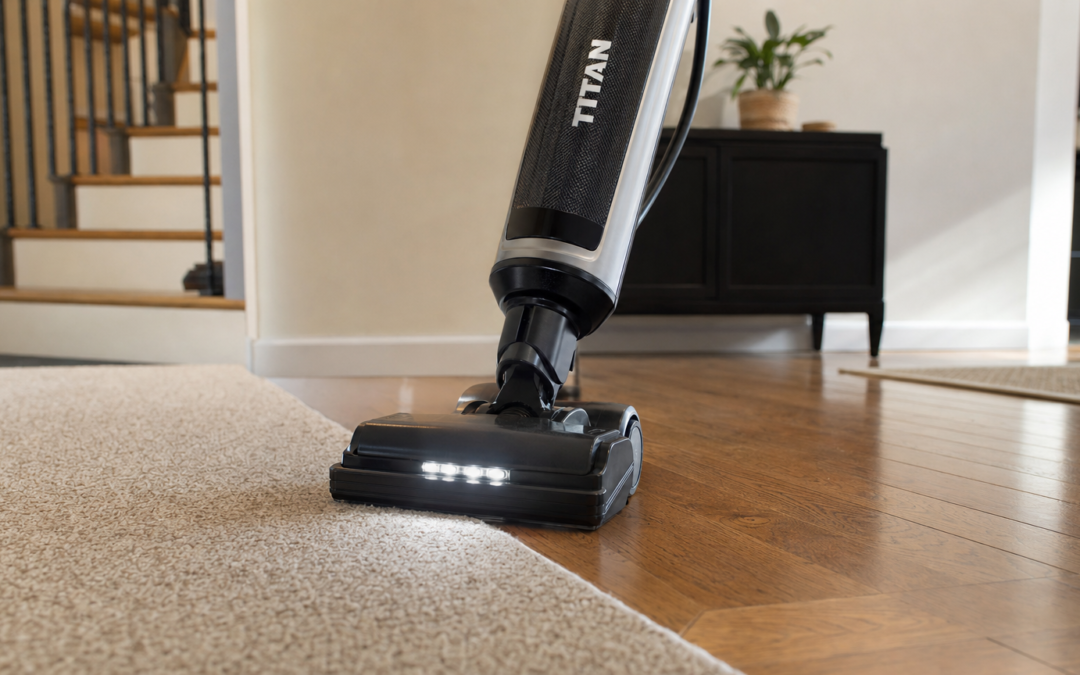
Is Titan a Good Vacuum Brand?
Is Titan a good vacuum brand? The honest answer is that it depends on the specific model and what you're cleaning, not the name on the machine alone. Like any vacuum brand, some Titan models are built for heavier daily use and others for lighter upkeep. Judging a brand fairly means looking past marketing claims and checking the same things a service technician would check: build quality, parts availability, and how well a given machine performs on the floors you actually have.
It's also worth separating two different questions that often get blurred together: "is this a good brand" and "is this the right vacuum for me." A brand can make several solid machines and still be the wrong choice for a particular household, if the specific model doesn't match the flooring, the household size, or how often the vacuum needs to run. The rest of this article works through both questions — the general one about what makes any vacuum brand hold up, and the specific checklist worth running before you commit to a Titan model or any other brand you're comparing it against.
What Actually Determines Whether a Vacuum Brand Holds Up
A vacuum brand's reputation comes down to a handful of practical factors, and they're the same ones worth checking no matter which name you're considering:
Motor and build quality. Does the motor sustain suction over time, or does performance drop off after the first year? This is hard to judge from a spec sheet alone and is usually where a technician's experience with a brand over time matters more than the box it came in. A motor that's undersized for the vacuum's intended job will work harder than it should from the first week, and that extra strain tends to show up as reduced lifespan rather than an immediate failure.
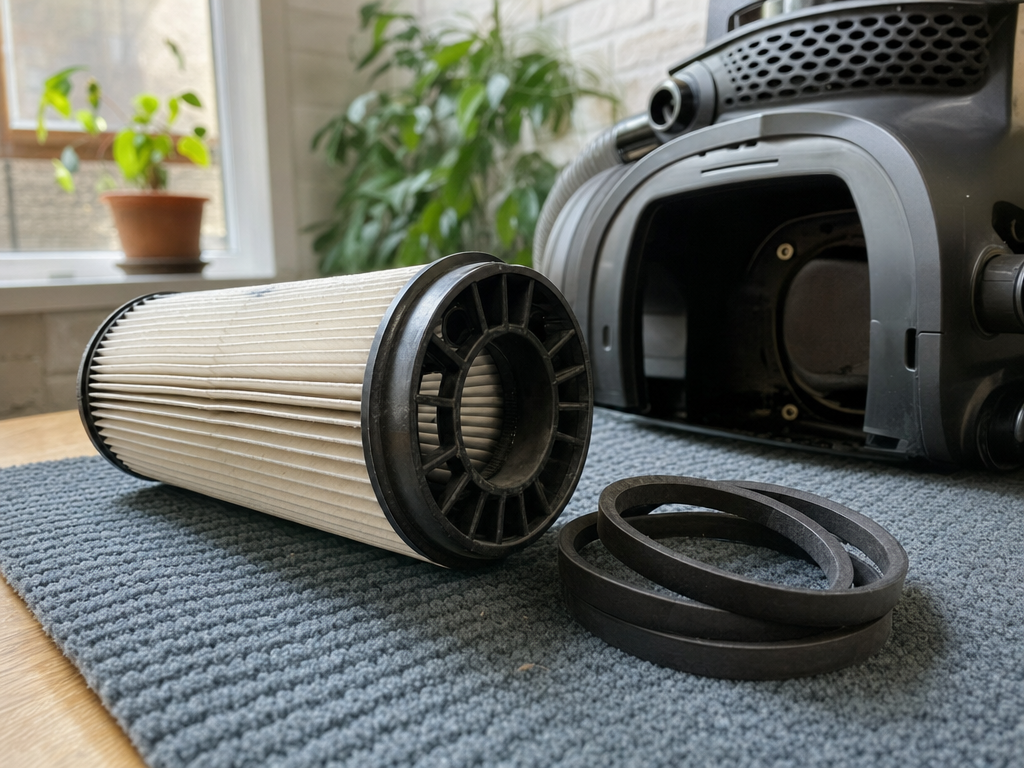
Filter and bag system. A vacuum that filters well without choking its own airflow performs more consistently, especially for households with allergies or pets. A clogged or poorly designed filter doesn't just reduce air quality — it forces the motor to work against more resistance, which can shorten the motor's life as well.
Parts availability and repairability. This is often the biggest difference between a brand that's "good for a few years" and one that's good for a decade. A vacuum you can get belts, filters, and hoses for is a vacuum worth keeping running. One that can't be serviced becomes disposable the moment something wears out, and that's often the real difference between brands that look similar on paper.
Warranty and dealer support. How a brand backs its product, and whether there's somewhere to bring it when something goes wrong, affects the real cost of ownership more than the sticker price does. A vacuum that's cheap to buy but hard to get serviced can end up costing more over its lifetime than one that costs more upfront but stays in use for years.
Noise and handling also factor into whether a vacuum stays in regular use or ends up pushed to the back of a closet. A machine that's uncomfortable to maneuver, or loud enough to be a nuisance during normal hours, often gets used less often than it should — and a vacuum that only gets run occasionally doesn't keep carpet and allergens under control the way regular use does. These details rarely show up on a spec sheet, which is another reason a hands-on check matters more than a brand name.
Fit for the job. A vacuum built for light residential carpet isn't the same as one built for daily commercial use. "Good" is relative to what you're asking the machine to do — a vacuum that performs beautifully in a lightly-trafficked bedroom might struggle in an entryway that sees daily foot traffic and tracked-in debris, and the reverse is just as true: a heavier-duty machine can be more vacuum than a small apartment needs.
What to Check on a Titan Model Before Buying
If you're weighing a specific Titan vacuum, the fair way to evaluate it is the same checklist above, applied to that exact model rather than the brand name in general. Which floor types is this particular model built for — carpet, hardwood, tile, or a mix? What does the manufacturer say about filter changes and belt replacement, and how available are those parts locally? What's the warranty coverage, and who services the machine once that coverage runs out?
Weight matters more than most buyers expect going in: a vacuum that needs to go up and down stairs or get carried between rooms regularly will feel very different after ten minutes of use than it does picking it up once for a quick look. Attachments are worth checking too, since they determine how well a vacuum handles the parts of a home that aren't flat floor — stairs, upholstery, baseboards, and tight corners. A machine that's excellent on open carpet but poorly equipped for those secondary tasks ends up needing a second tool anyway, which changes the real value of the purchase.
Mr. Vacuum's own Titan vacuums page is one place to start that research, since it describes the strengths the line is built around. Treat it as a starting point rather than a confirmed spec sheet, though — floor-type recommendations, filter type, and warranty terms vary model to model, so confirm current availability, pricing, and service terms directly with whichever dealer is actually selling the machine you're considering. That's where the most accurate, up-to-date answer will come from.
How Titan Compares to Other Vacuum Brands
There's no single agreed-upon list of the "top" vacuum brands — rankings vary depending on whether the focus is residential carpet cleaning, commercial durability, allergy filtration, or price. What's more useful than a generic top-five list is knowing which brands a shop actually stands behind with service and parts.
Mr. Vacuum carries several lines, including Riccar and Lindhaus, each with different strengths in build and intended use. If you're comparing a Titan model against one of those, the same checklist applies on both sides: how the vacuum feels to push across your actual flooring, how loud it runs, how easy the dust cup or bag is to empty, and how the attachments store when not in use. None of these show up clearly in online reviews, which is part of why a direct, hands-on comparison of the actual machines — rather than a ranking of brand names — is the more reliable way to decide.
If Titan isn't among the lines a given dealer has on hand, that's not a mark against the brand — it just means the comparison needs to happen against whatever that dealer does carry, using the same criteria. A dealer who sells a brand should also be able to speak to how it's held up for other customers over time, which is a fair question to ask directly rather than relying on an online rating alone.
Which Vacuum Brand Is Most Reliable?
Reliability isn't really a brand-wide property — it's a model-and-maintenance property. A reliable vacuum is one that was well-built for its intended use and has been maintained: filters changed, belts replaced before they snap, brush rollers kept clear. Two vacuums from the same brand can have very different lifespans depending on how they were used and serviced.
This is where buying from a shop that also handles repair matters more than the name on the machine. Mr. Vacuum offers vacuum repair and service in addition to sales, which means a vacuum has somewhere to go when a belt wears out or suction drops, rather than becoming disposable the first time something needs attention — whatever brand it happens to be.
Maintenance habits make a bigger difference than most owners expect. A belt that's replaced on schedule rarely causes a problem; a belt that's run until it snaps can damage the brush roll motor in the process. A filter that's cleaned or swapped regularly keeps suction consistent; one that's ignored gradually reduces performance in a way that's easy to mistake for the vacuum simply getting old. The same logic applies to the hose and attachments: a cracked hose or a clogged attachment forces the motor to compensate, and that extra strain shows up as reduced suction long before anything actually breaks. None of that is brand-specific — it applies to whatever machine ends up in your closet.
What to Ask Before Buying Any Vacuum, Titan Included
Before deciding on a specific Titan model, or any brand, it's worth asking a few direct questions: What's the intended floor type? What does routine maintenance look like — filter changes, belt life, bag type? What's covered if something fails early, and where do you take it for repair? These questions matter more than brand reputation alone, because they determine what owning the vacuum actually looks like three years in, not just how it performs out of the box.
It also helps to ask how the vacuum handles the edge cases specific to your space: pet hair if you have pets, stairs if your home has them, tight corners around furniture, or a mix of carpet and hard flooring. A model that answers all of those well for your situation is a better choice than one that simply has a well-known name attached to it. If you're buying locally, ask the dealer directly which models and brands they currently have on hand, what their service support looks like, and what parts are easy to source — those answers tell you more than a brand name ever will.
For readers starting from scratch rather than comparing a specific brand, this vacuum buying guide covers the broader decision points worth working through first.
Questions and answers
Are Titan vacuums any good?
It depends on the model and what you're cleaning. "Good" for your situation comes down to matching the specific model to your floor types and household, and checking the same factors that determine how any vacuum holds up over time: build quality, parts availability, and service support. Confirm specifics on any particular Titan model directly with the seller before buying.
What are the top vacuum brands to consider?
There's no single definitive ranking, since it depends on whether you're prioritizing residential carpet cleaning, commercial durability, or allergy filtration. Mr. Vacuum carries several brands including Riccar and Lindhaus, which makes side-by-side comparison on the actual machine more useful than relying on a generic brand list.
Which vacuum cleaner brand is the most reliable?
Reliability tends to come down to the specific model and how well it's maintained, more than the brand name alone. A vacuum with available parts and local repair support will outlast one that can't be serviced, regardless of brand.
To talk through which vacuum fits your floors and cleaning needs, contact Mr. Vacuum directly.